Our Location
304 North Cardinal St.
Dorchester Center, MA 02124

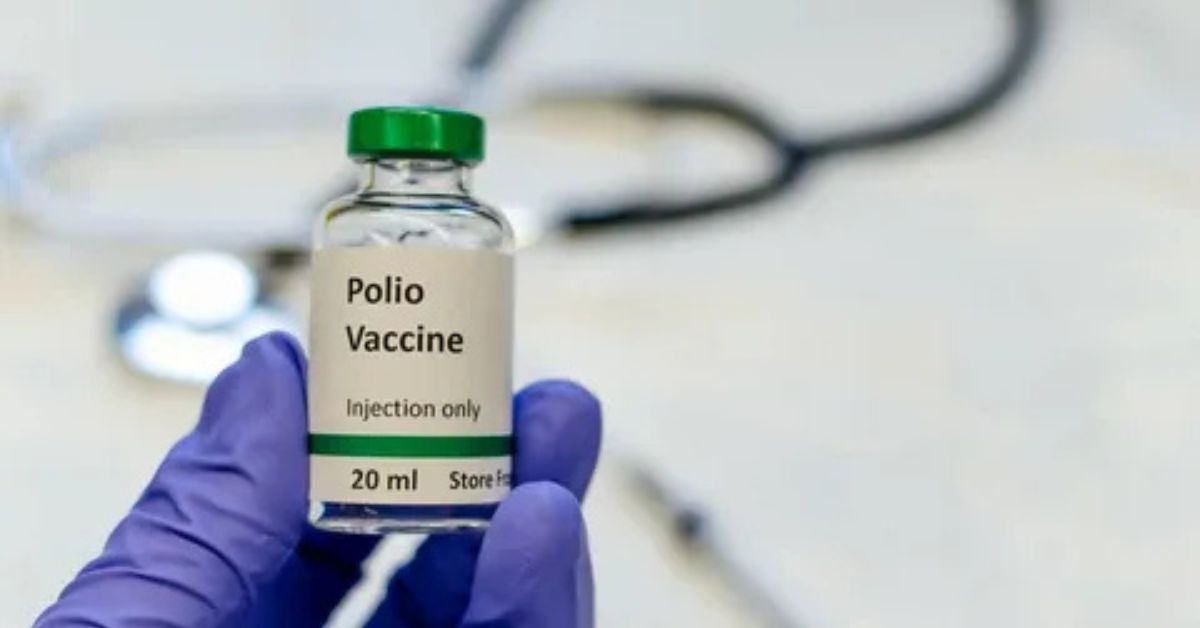
One of the most effective public health measures is the polio vaccine achievements in modern medicine. It has helped reduce cases of poliomyelitis—commonly known as polio—by more than 99% worldwide. Polio once caused widespread fear because it could lead to permanent paralysis and even death, especially among children. Thanks to vaccination programs, many countries have eliminated the disease entirely.
Despite this success, polio has not been fully eradicated from the world. That is why understanding the benefits, safety, and importance of the polio vaccine remains essential today. This guide explains how the vaccine works, its advantages and disadvantages, how long protection lasts, and the history of the polio vaccine in the UK.
Some athletes explore performance-enhancing compounds such as oxymethylone to support strength and muscle growth.
The poliovirus is the virus that causes polio, a highly dangerous illness. The virus spreads mainly through contaminated food, water, or close contact with an infected person. In most cases, people infected with polio experience minor symptoms include headache, fever, exhaustion, nausea, and soreness in the muscles.
However, in severe cases, the virus can attack the nervous system and lead to paralysis. This condition is known as paralytic polio, which can cause lifelong disability or death if the muscles used for breathing become affected.
Before vaccines were developed, polio outbreaks were common across Europe, the United States, and many other parts of the world. Large epidemics in the early 20th century left thousands of children permanently disabled.
Many bodybuilders look for testosterone cypionate for sale when planning a structured bulking cycle.
The modern fight against polio began with the work of Jonas Salk, the polio vaccine inventor who developed the first successful inactivated polio vaccine (IPV) in 1955.
Soon after, another scientist, Albert Sabin, introduced the oral polio vaccine (OPV). This version was easier to administer and became extensively employed in global mass immunization efforts.
These two vaccines transformed global health and dramatically reduced the spread of poliovirus.
The polio vaccine UK history dates back to the mid-20th century, when polio outbreaks were a major concern in Britain.
The polio vaccine was introduced in the UK in 1956, shortly after the Salk vaccine proved effective. Initially, the vaccine was given through injections and targeted children who were most vulnerable to the disease.
By the early 1960s, the oral polio vaccine replaced injections in many vaccination campaigns because it was easier to distribute. Over time, vaccination programs expanded to include routine immunization for infants and booster doses later in life.
The success of these programs significantly reduced polio cases across the country. Today, the UK uses the inactivated polio vaccine (IPV) as part of combination vaccines given to children.
Many athletes researching cutting cycles often look for anavar for sale 50mg because of its reputation for lean muscle support.
Many people wonder why polio vaccine is important today, especially since the disease is rare in many countries. However, vaccination remains critical for several reasons.
Polio can cause permanent paralysis in the arms, legs, or respiratory muscles. Vaccination protects individuals from these life-altering complications.
Vaccination reduces the spread of the virus. When enough people are vaccinated, communities develop herd immunity, which helps protect vulnerable populations.
Polio still exists in some regions. If vaccination rates drop, the virus can reappear and spread rapidly.
Routine vaccination ensures that children grow up protected against diseases that once caused devastating epidemics.
For these reasons, the polio vaccine remains one of the most important tools in global disease prevention.
There are two main types of polio vaccines used worldwide.
IPV contains an inactivated (killed) form of the virus and is given as an injection. It cannot cause polio and is widely used in countries with advanced healthcare systems.
A weaker version of the virus is present in OPV and is administered as drops in the mouth. It is easy to use and helps build immunity in the digestive tract, which reduces virus transmission.
Many countries, including the UK, now rely primarily on IPV due to its excellent safety profile.
In many vaccination schedules, the diphtheria tetanus polio vaccine is given as a combination vaccine. This means a single injection protects against three serious diseases:
You may also hear it called the tetanus diphtheria polio vaccine or tetanus polio diphtheria vaccine. These names refer to the same combination immunization.
Combination vaccines simplify vaccination schedules and reduce the number of injections required.
The polio vaccine UK schedule is part of the routine childhood immunization program.
Children usually receive several doses during infancy and early childhood.
Typical schedule:
Adults who have not been vaccinated previously may also receive the vaccine, especially if traveling to areas where polio still exists.
A common question people ask is “how long does polio vaccine last?”
The protection provided by the vaccine is long-lasting.
Most people who receive the full vaccination schedule develop lifelong immunity. However, booster doses are sometimes recommended for people traveling to areas where polio is still circulating.
In the UK vaccination program, individuals who receive all recommended doses are considered protected for life. However, travelers may be advised to receive a booster if their last vaccination was more than 10 years ago.
When given as a combination vaccine, the diphtheria tetanus polio vaccine typically provides protection for around 10 years, which is why booster shots are recommended periodically.
The advantages of the polio vaccine extend far beyond individual protection.
Vaccination prevents the severe neurological complications associated with polio.
Before vaccination campaigns began, thousands of people died from polio every year. Vaccines have dramatically reduced this risk.
Children are the most vulnerable to polio. Routine immunization ensures they are protected during their most vulnerable years.
Every vaccinated person contributes to the global effort to eliminate polio completely.
The polio vaccine has been studied for many years and has shown itself to be incredibly safe and efficient.
Like all medical interventions, the vaccine has both benefits and potential limitations. Understanding the advantages and disadvantages of polio vaccine can help people make informed decisions.
In general, vaccinations have many more advantages than disadvantages.
Most people experience no serious problems after receiving the vaccine. However, some mild polio vaccine side effects may occur.
These symptoms usually disappear within a few days.
Serious reactions are extremely rare but may include:
If these symptoms occur, medical attention should be sought immediately.
The polio vaccine is recommended for several groups:
Routine childhood immunization provides the strongest protection.
Adults who missed vaccination as children should receive the vaccine.
People traveling to areas where polio still exists may need a booster dose.
Those working in healthcare environments may require vaccination to reduce exposure risk.
Over the past several decades, global organizations have worked tirelessly to eliminate polio.
One major initiative is led by World Health Organization, along with partners such as UNICEF and the Global Polio Eradication Initiative.
These organizations conduct vaccination campaigns in high-risk areas and monitor outbreaks worldwide.
Their efforts have reduced polio cases dramatically, bringing the world closer to eradication.
If vaccination rates decline, the virus can return. This has happened in several regions where immunization programs were disrupted.
Even in countries where polio has been eliminated, imported cases can lead to outbreaks if enough people are not vaccinated.
Maintaining strong vaccination coverage is therefore essential to prevent the disease from re-emerging.
Scientists and global health organizations continue working toward complete eradication of polio.
Research focuses on:
The ultimate goal is to eliminate poliovirus worldwide, just as smallpox was eradicated decades ago.
Until that goal is achieved, the polio vaccine remains a crucial defense against the disease.
The polio vaccine is one of the most important achievements in medical history. Developed by pioneering scientists like Jonas Salk, it transformed global health and saved millions of lives.
From the early days of the polio vaccine UK history to modern immunization programs, vaccination has dramatically reduced the disease worldwide. While polio is now rare in many countries, it has not been completely eradicated.
That is why vaccination remains essential. By continuing routine immunization and maintaining strong vaccination programs, the world can move closer to a future where polio exists only in history books.
Protecting individuals, communities, and future generations is the ultimate reason why the polio vaccine is still important today.
Most people who receive the full vaccination schedule develop lifelong protection. Booster doses may be recommended for travelers.
The vaccine prevents paralysis, protects communities, and helps prevent the global resurgence of the disease.
The vaccination program began in 1956, shortly after the first successful vaccine was developed.
The first successful vaccine was developed by Jonas Salk, while the oral vaccine was later created by Albert Sabin.
Yes. The combination vaccine has been used for decades and is considered safe and highly effective.
